


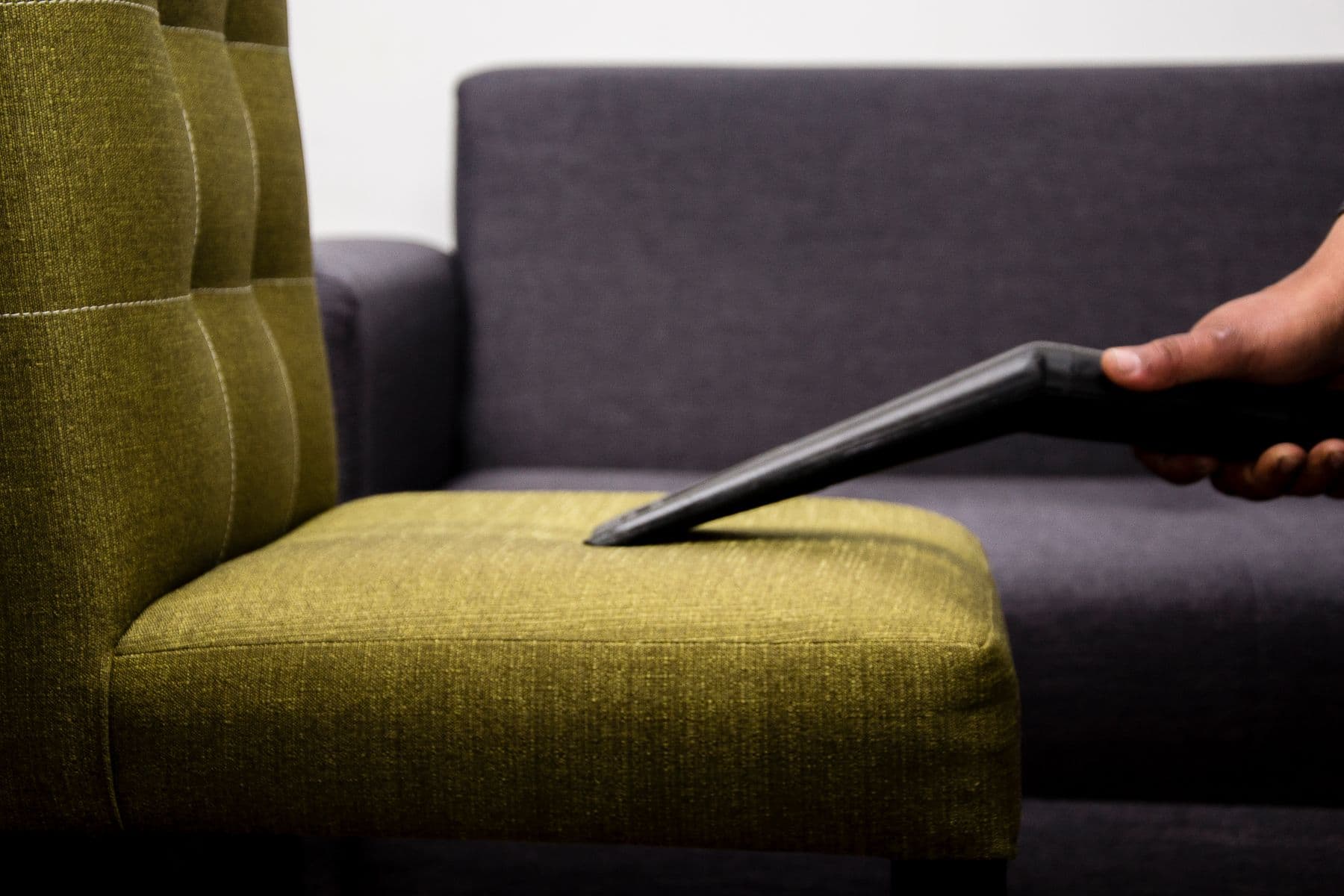
Sofa, mattress and rug cleaning in Nancy
Fabric absorbs for years what a vacuum cleaner can no longer retrieve. You can see the result, but above all you can smell it.
Four passes over the same piece
- 01
Fibre test
On a hidden area, to check how the fabric reacts to water and product before the whole piece is treated.
- 02
Deep vacuuming
Removing dry particles, hair and grit: treating dusty fabric with water would simply make mud.
- 03
Targeted stain work
Every stain according to its nature — greasy, protein, tannin — with the product that matches it, never one universal detergent.
- 04
Hot-water extraction
Water is injected then immediately drawn back out with the soil, leaving as little moisture as possible in the foam.
What to hope for, and what not to
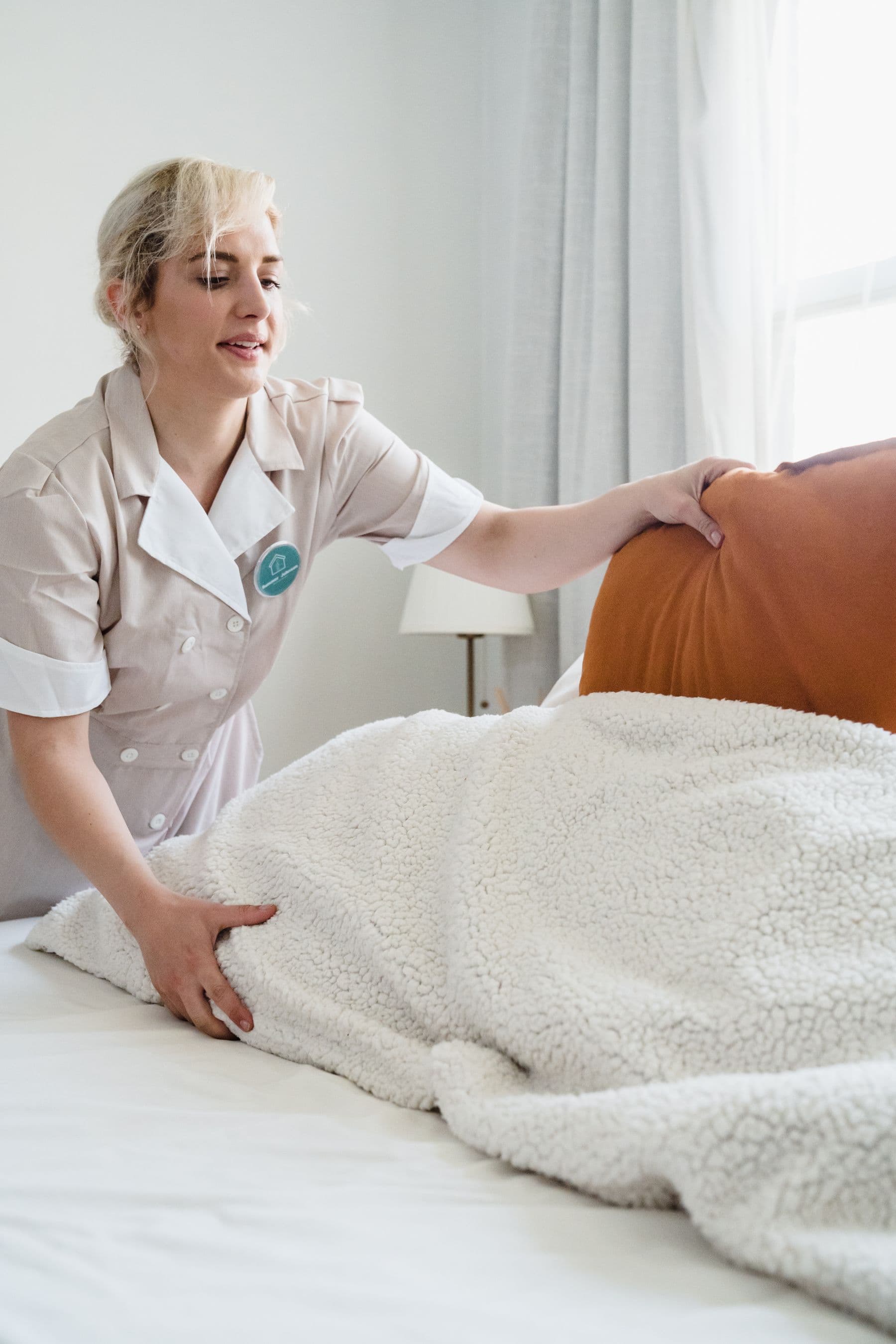
Fabric sofas, armchairs, upholstered headboards, mattresses, rugs and fitted carpet all respond well: fibres stand back up, odours fade, and the darkest contact zones — armrests, headrests, the middle of the seat — return to a shade close to the rest of the piece. It is particularly striking on bedding used every night for several years.
A stain that has been there a long time and already rubbed with a supermarket product may, on the other hand, have dyed the fibre right through: in that case we soften it without erasing it, and we tell you before starting rather than afterwards. Likewise, worn fabric does not become new again; cleaning freshens, it does not restore a threadbare weave.
Leather and faux leather are not treated by extraction: they need gentle cleaning followed by a suitable conditioner, which we carry out separately. Fabrics marked "dry clean only" are set aside, because water leaves rings on them that cannot be recovered.
Allow four to eight hours of drying depending on the thickness of the foam, how well the room airs and the season. Plan not to sleep on a mattress treated the same evening: a morning visit with the windows open is best. Finally, this treatment has no effect whatsoever on bedbugs, which require pest control by a licensed firm.
Questions about soft furnishings
How often should a sofa be treated?
Once a year is enough in a household with no pets and no small children. With a dog that climbs onto the seat, or in a home where people eat in front of the television, twice a year is justified. Between treatments, weekly vacuuming with the upholstery head noticeably extends the benefit.
Does the treatment remove pet odours?
It reduces them a great deal, because most of the smell comes from organic residue lodged in the fibre and the foam, which extraction pulls out. If urine has soaked through into the foam, however, surface cleaning will not be enough: deep treatment is then needed, drying takes longer, and the outcome remains uncertain.
Do you work on rugs and fitted carpet?
Yes, with the same equipment. Long-pile rugs and oriental rugs call for more caution and a longer drying time; rugs in natural fibres such as sisal or seagrass are set aside, since water distorts them permanently.
Can several pieces be treated on the same day?
It is actually recommended: the equipment is already set up and travel is counted only once, which makes the second and third items appreciably cheaper than the first. A sofa, two mattresses and a rug fit comfortably into a half-day.
Also worth a look
What the same clients entrust to us at the same moment.
One photo, one price
Send a snap of the sofa or mattress over WhatsApp: that is usually all we need to quote.